

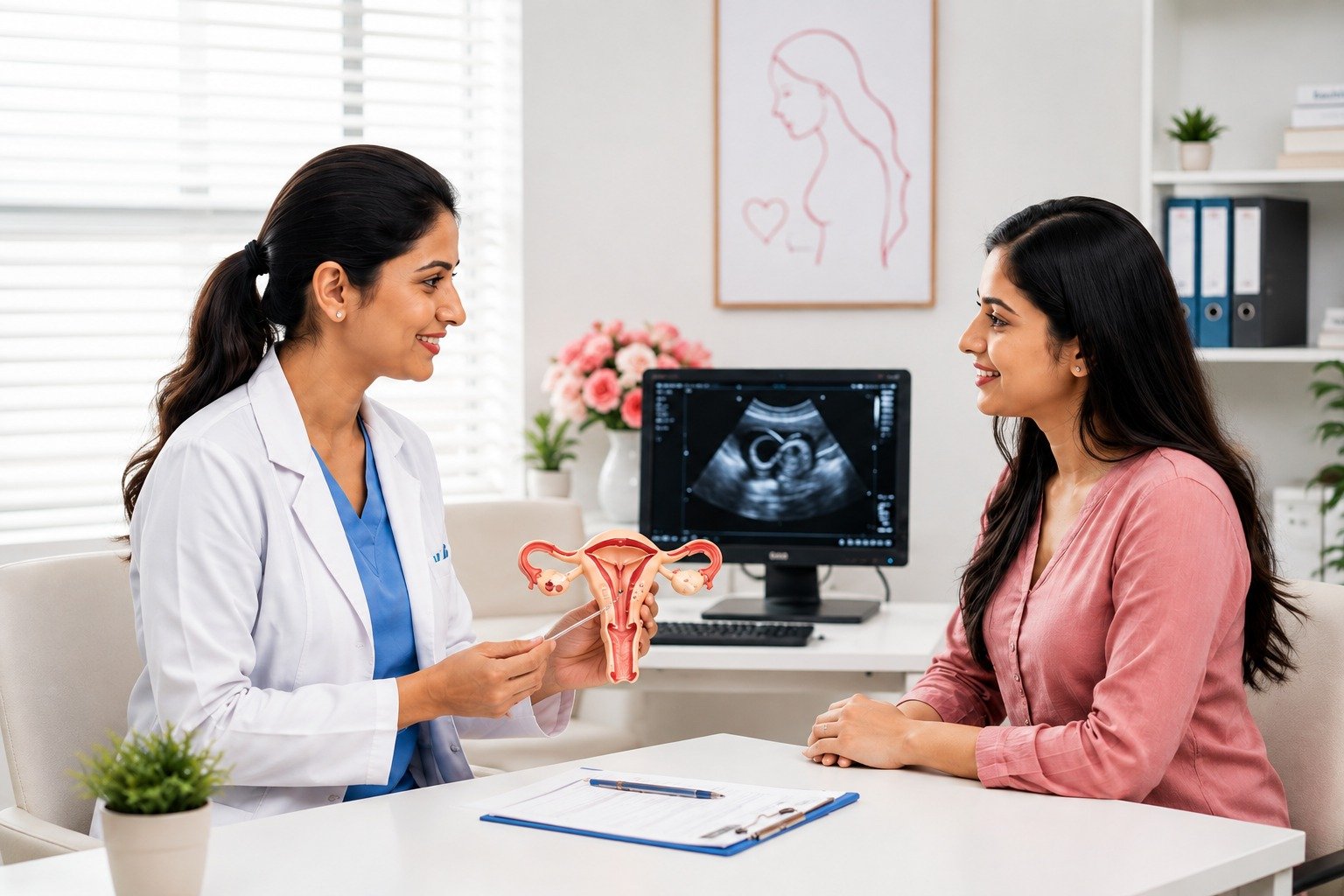
Service Overview
What Is Comprehensive Gynaecological Care?
Comprehensive gynaecological care is a broad approach to women's reproductive and gynaecological health.
It may include care for:
- Menstrual problems
- Heavy or painful periods
- Irregular periods
- PCOS
- Endometriosis
- Fibroids
- Ovarian cysts
- Vaginal infections and symptoms
- Pelvic pain
- Abnormal vaginal bleeding
- Uterine conditions
- Cervical health
- Contraception
- Family planning
- Fertility concerns
- Preconception care
- Menopausal symptoms
- Other reproductive-health concerns
The appropriate evaluation depends on your symptoms, medical history, age, reproductive plans, and individual healthcare needs.
What Conditions Are Treated Under Comprehensive Gynaecological Care?
A general gynaecology service may evaluate and manage a wide range of conditions. Common concerns include:
Menstrual Problems
Gynaecological care can address:
- Irregular periods
- Heavy menstrual bleeding
- Painful periods
- Very frequent periods
- Infrequent periods
- Bleeding between periods
- Changes in menstrual patterns
Changes in menstruation can have many causes, so evaluation may include a medical history, examination, blood tests, ultrasound, or other investigations when appropriate.
PCOS
Polycystic ovary syndrome can affect menstrual cycles, ovulation, skin and hair, and metabolic health.
Gynaecological care may include:
- Menstrual assessment
- PCOS evaluation
- Lifestyle guidance
- Management of symptoms
- Fertility counselling
- Metabolic assessment when appropriate
- Referral for fertility treatment when required
Endometriosis
Endometriosis may cause pelvic pain, painful periods, pain during intercourse, and fertility concerns. Evaluation and treatment depend on symptoms, disease severity, previous treatment, age, and reproductive goals.
Fibroids
Uterine fibroids are common benign growths of the uterus.
They may be associated with:
- Heavy periods
- Pelvic pressure
- Pelvic pain
- Anaemia
- Fertility concerns
- Pressure on the bladder or bowel
Some fibroids do not require treatment. Management depends on their size, location, number, symptoms, and individual circumstances.
Ovarian Cysts
Ovarian cysts are common and many resolve without treatment.
When a cyst is identified, management may depend on:
- Size
- Appearance on ultrasound
- Symptoms
- Age
- Menopausal status
- Whether the cyst changes over time
Some cysts require observation, while others may require additional evaluation or treatment.
Pelvic Pain
Pelvic pain can have several causes, including:
- Endometriosis
- Ovarian cysts
- Fibroids
- Pelvic infection
- Urinary conditions
- Gastrointestinal conditions
- Musculoskeletal problems
A detailed evaluation can help determine whether the pain is gynaecological or requires assessment by another specialist.
Vaginal Symptoms
Gynaecological consultation may address:
- Abnormal vaginal discharge
- Vaginal itching
- Burning
- Odour
- Vaginal dryness
- Recurrent vaginal symptoms
- Pain during intercourse
The cause of vaginal symptoms varies, so appropriate testing may be recommended rather than assuming an infection is responsible.
Routine Gynaecological Care
Routine women's health consultations can help address health concerns before they become more complicated.
A routine consultation may include:
- Menstrual-health review
- Reproductive-health discussion
- Contraception counselling
- Family-planning discussion
- Cervical-health screening when appropriate
- Breast-health discussion
- Lifestyle and preventive-health guidance
- Evaluation of new symptoms
The appropriate frequency of routine visits depends on your age, health history, symptoms, and screening needs.
Gynaecological Examination
A gynaecological examination is not required for every consultation.
When clinically appropriate, an examination may help evaluate:
- Pelvic pain
- Abnormal bleeding
- Vaginal symptoms
- Cervical concerns
- Pelvic masses
- Other reproductive symptoms
Your doctor can explain what examination is recommended and why.
Gynaecological Ultrasound
Ultrasound is commonly used in gynaecological care when imaging is clinically indicated.
Pelvic or transvaginal ultrasound may help evaluate:
- Uterus
- Endometrium
- Ovaries
- Fibroids
- Ovarian cysts
- Endometriomas
- Pelvic masses
- Other structural findings
Not every patient requires an ultrasound. The need depends on symptoms and clinical findings.
Abnormal Vaginal Bleeding
Abnormal bleeding can include:
- Very heavy periods
- Bleeding between periods
- Bleeding after intercourse
- Bleeding after menopause
- Unexpected changes in menstrual patterns
Possible causes include hormonal changes, fibroids, polyps, adenomyosis, infections, medication effects, pregnancy-related conditions, and other uterine or cervical problems.
Unexpected or persistent bleeding should be assessed by a healthcare professional.
Painful Periods
Some menstrual discomfort is common, but severe or worsening period pain may require evaluation.
Possible causes include:
- Primary dysmenorrhoea
- Endometriosis
- Adenomyosis
- Fibroids
- Pelvic conditions
Treatment depends on the underlying cause, severity of symptoms, medical history, and reproductive goals.
Heavy Menstrual Bleeding
Heavy menstrual bleeding can interfere with daily activities and may contribute to iron-deficiency anaemia.
Evaluation may consider:
- Duration and pattern of bleeding
- Blood loss
- Fibroids
- Polyps
- Adenomyosis
- Hormonal factors
- Medication use
- Pregnancy-related causes
- Other medical conditions
Treatment depends on the cause and may include medication, hormonal treatment, procedures, or surgery when appropriate.
Vaginal Infections and Reproductive Health
Vaginal symptoms may result from different causes, including infections or changes in the vaginal environment.
A consultation may assess symptoms such as:
- Discharge
- Itching
- Burning
- Odour
- Irritation
- Pain
Testing may be recommended when necessary to determine the appropriate treatment.
Contraception and Family Planning
Comprehensive gynaecological care may include contraceptive counselling.
Options can include:
- Oral contraceptive pills
- Long-acting reversible contraception
- Intrauterine devices
- Barrier methods
- Emergency contraception
- Permanent contraception
The choice depends on medical history, preferences, reproductive plans, and individual risk factors.
Preconception and Pregnancy Planning
If you are planning pregnancy, a gynaecological consultation can help review:
- Medical conditions
- Current medications
- Menstrual cycles
- Previous pregnancies
- Previous pregnancy complications
- Vaccination status
- Nutrition
- Folic-acid supplementation
- Fertility concerns
- Family history
People with known medical or reproductive conditions may benefit from preconception care before trying to conceive.
Fertility and Reproductive Health
Gynaecological care can also provide an initial assessment of fertility concerns.
Possible areas of evaluation include:
- Irregular ovulation
- PCOS
- Endometriosis
- Fibroids
- Ovarian cysts
- Tubal concerns
- Previous pelvic surgery
- Previous pregnancy loss
When an infertility evaluation is required, both partners may need assessment because fertility factors can involve either or both partners.
Menopause and Perimenopause Care
Comprehensive gynaecological care also extends to the menopausal transition.
Common concerns during perimenopause and menopause include:
- Irregular periods
- Hot flashes
- Night sweats
- Sleep changes
- Vaginal dryness
- Pain during intercourse
- Mood changes
- Urinary symptoms
- Changes in sexual health
Treatment options depend on symptoms, age, medical history, and individual preferences.
Gynaecological Care for Adolescents
Young women may seek gynaecological care for concerns such as:
- Painful periods
- Heavy bleeding
- Irregular periods
- PCOS symptoms
- Vaginal symptoms
- Menstrual health education
Care is tailored to the individual's age, symptoms, and circumstances.
Gynaecological Care After Pregnancy
Post-pregnancy care can address reproductive and gynaecological health following childbirth.
A consultation may discuss:
- Menstrual recovery
- Contraception
- Breastfeeding-related reproductive changes
- Pelvic symptoms
- Previous pregnancy complications
- Future pregnancy planning
- Recovery following caesarean or vaginal delivery
The timing and scope of follow-up depend on individual circumstances.
Cervical Health and Screening
Cervical screening can help identify cervical-cell changes that may require monitoring or treatment.
The appropriate screening method and frequency depend on age, previous screening results, vaccination status, medical history, and local clinical recommendations.
Your gynaecologist can explain which screening is appropriate for you.
Preventive Women's Health
Comprehensive gynaecological care is not limited to treating illness.
Preventive care may include:
- Menstrual-health assessment
- Cervical screening when appropriate
- Contraceptive counselling
- Preconception counselling
- Menopause care
- Lifestyle guidance
- Vaccination discussions
- Evaluation of new symptoms
- Review of relevant family history
Preventive care should be individualised according to age and health history.
When Should You See a Gynaecologist?
You may consider a gynaecology consultation if you experience:
- Persistent pelvic pain
- Very painful periods
- Heavy menstrual bleeding
- Irregular or absent periods
- Bleeding between periods
- Bleeding after intercourse
- Abnormal vaginal discharge
- Vaginal itching or irritation
- Pain during intercourse
- Symptoms of menopause
- Fertility concerns
- Recurrent pregnancy loss
- A new or persistent pelvic symptom
You should seek prompt medical assessment for severe or sudden pelvic pain, heavy unexpected bleeding, fainting, or symptoms associated with a possible pregnancy complication.
What Happens During a Gynaecology Consultation?
A consultation generally begins with a discussion of your symptoms and medical history.
Your doctor may ask about:
- Menstrual cycles
- Pregnancy history
- Fertility history
- Sexual and reproductive health
- Medical conditions
- Previous surgeries
- Medications
- Family history
- Current symptoms
- Previous investigations
Depending on the reason for your visit, your doctor may recommend examination, blood tests, ultrasound, cervical screening, or another investigation.
You do not necessarily need to undergo every test during a routine consultation.
Gynaecological Care for Different Life Stages
Women's healthcare needs can change throughout life.
Adolescence and Young Adulthood
Care may focus on:
- Menstrual health
- Period pain
- Heavy bleeding
- PCOS
- Sexual and reproductive health
- Contraception
Reproductive Years
Care may include:
- Contraception
- Family planning
- Fertility concerns
- Preconception care
- Pregnancy planning
- Fibroids
- Endometriosis
- Ovarian cysts
Perimenopause and Menopause
Care may focus on:
- Menstrual changes
- Hot flashes
- Vaginal symptoms
- Bone and general health considerations
- Sexual health
- Menopause treatment options
A personalised approach can help address changing healthcare needs throughout life.
Comprehensive Gynaecological Care in Dwarka
If you are looking for comprehensive gynaecological care in Dwarka Delhi, a women's health consultation can help address both routine concerns and specific reproductive symptoms.
Patients from Dwarka Sector 6, Sector 7, Sector 10, Sector 11, Sector 12, Sector 13, Sector 14, Sector 17, Sector 19, Dwarka Mor, and nearby Delhi NCR areas may seek consultation for:
- Routine gynaecological care
- Menstrual problems
- PCOS
- Endometriosis
- Fibroids
- Ovarian cysts
- Pelvic pain
- Vaginal symptoms
- Abnormal bleeding
- Contraception
- Family planning
- Preconception care
- Fertility concerns
- Menopause care
CTA: Book Gynaecology Consultation in Dwarka
Gynaecologist in Dwarka Delhi
If you are searching for a gynaecologist in Dwarka Delhi, consider a consultation when you have a new, persistent, or concerning reproductive-health symptom.
A comprehensive gynaecology service may provide:
- Routine women's health consultations
- Menstrual assessment
- Pelvic-health evaluation
- Ultrasound when indicated
- Contraceptive counselling
- Fertility counselling
- Preconception care
- Menopause management
- Medical treatment
- Surgical evaluation when required
- Specialist referrals when appropriate
The appropriate care pathway depends on your symptoms, diagnosis, medical history, and healthcare goals.
Choosing a Gynaecology Doctor in Dwarka
When choosing a gynaecology doctor in Dwarka Delhi, you may consider whether the service provides access to:
- Routine women's healthcare
- Comprehensive reproductive-health assessment
- Appropriate diagnostic testing
- Ultrasound and imaging when indicated
- Fertility and preconception counselling
- Menopause care
- Medical and surgical gynaecology
- Specialist referral when necessary
- Follow-up care
The most appropriate provider depends on your particular health needs and the type of care you require.
Cost of Gynaecological Consultation in Dwarka
The cost of gynaecological care in Dwarka varies depending on the type of consultation, examination, investigations, and treatment required.
Potential costs may include:
- Initial consultation
- Follow-up consultation
- Ultrasound
- Laboratory testing
- Cervical screening
- Diagnostic procedures
- Medication
- Surgical procedures when required
Not every patient requires additional testing or procedures.
A personalised estimate can be provided after understanding the reason for your consultation.
CTA: Enquire About Gynaecology Consultation Cost in Dwarka
Preparing for Your Gynaecology Appointment
To make your consultation more useful, consider bringing:
- Previous medical reports
- Ultrasound reports
- Blood-test results
- Previous surgery records
- Pregnancy records
- Current medication list
- Menstrual-cycle information
- Previous fertility-treatment records
- Relevant family medical history
It can also be helpful to note when your symptoms started, how frequently they occur, and whether anything makes them better or worse.
Conditions We Treat
What to Expect
What conditions are treated under comprehensive gynaecological care?
Comprehensive gynaecological care can address menstrual problems, PCOS, endometriosis, fibroids, ovarian cysts, pelvic pain, abnormal bleeding, vaginal symptoms, contraception, fertility concerns, preconception care, menopause-related symptoms, and other reproductive-health concerns.
How often should I see a gynaecologist?
There is no single schedule that applies to everyone. The frequency of gynaecological visits depends on your age, symptoms, medical history, screening needs, reproductive goals, and any ongoing conditions.
When should pelvic pain be checked?
Persistent, recurrent, severe, or worsening pelvic pain should be evaluated. Possible causes include endometriosis, fibroids, ovarian cysts, infections, and conditions outside the reproductive system.